
A chimney may look solid from the outside, but hidden damage can develop slowly and quietly over time. Weather exposure, moisture, temperature changes, and normal use all take a toll on masonry and internal components. Without regular care, small issues can turn into costly repairs or even safety hazards. Understanding the warning signs early is the best way to protect your home and extend the life of your chimney.
A professional chimney repair service helps identify problems before they worsen. From cracked bricks to damaged flue liners, timely repairs ensure your chimney operates safely and efficiently year after year.
What Does a Chimney Repair Service Include?
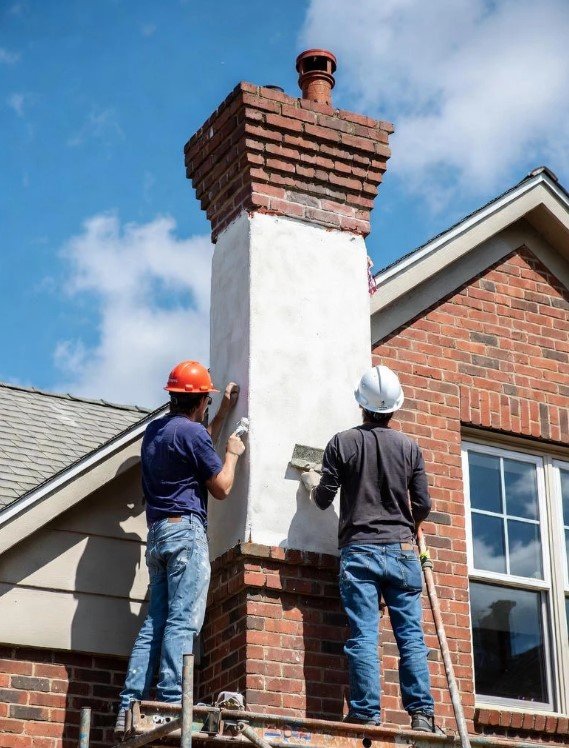
A chimney repair service covers a wide range of solutions designed to restore both structural integrity and proper function. While every chimney is different, most services begin with a thorough inspection to assess visible and hidden damage.
Typical repair services may include fixing cracked or missing mortar joints, repairing or rebuilding chimney crowns, replacing damaged bricks, correcting flue liner issues, and addressing water intrusion problems. In some cases, repairs may be minor and preventive. In others, structural reinforcement may be required to ensure long-term stability.
The goal of professional repair is not just to fix what is broken today, but to prevent future damage that could compromise safety or efficiency.
Clear Signs Your Chimney Needs Professional Attention
Visible Cracks or Deteriorating Masonry
Cracked bricks, crumbling mortar, or flaking surfaces are clear indicators that your chimney is under stress. These issues often result from freeze-thaw cycles, where moisture enters small openings and expands as it freezes. Over time, this weakens the structure and allows further water penetration.
Water Leaks or Moisture Damage
Moisture is one of the most damaging elements for a chimney. Signs of water issues include rusted fireplace components, damp walls near the chimney, or water stains on ceilings. Left untreated, moisture can lead to mold growth and interior damage.
White Staining on the Chimney Exterior
White, chalky residue on brick surfaces known as efflorescence is a sign that moisture is passing through the masonry. While it may appear cosmetic, it usually indicates deeper water absorption that can eventually cause bricks to deteriorate.
Draft Problems or Smoke Backing Up
If smoke enters your home instead of exiting through the chimney, airflow may be restricted. Draft issues can stem from flue damage, blockages, or structural problems that require professional evaluation and repair.
Unpleasant Odors from the Fireplace
Strong or persistent odors often signal moisture buildup or residue inside the chimney. These smells may worsen in humid conditions and can indicate the need for cleaning, repairs, or waterproofing.
Common Chimney Problems That Require Repair
Several chimney components are particularly vulnerable to wear. The chimney crown, which seals the top of the structure, frequently cracks over time and allows water to seep in. Spalling bricks where the surface flakes or peels are another common issue caused by prolonged moisture exposure.
Flue liner damage is also a serious concern. A compromised liner can reduce efficiency and increase the risk of harmful gases entering your home. In more advanced cases, a leaning or unstable chimney may indicate foundation or structural problems that require immediate professional attention.
Homeowners who schedule regular inspections often catch these issues early, reducing repair costs and preventing more extensive damage.
Risks of Delaying Chimney Repairs
Delaying chimney repairs can lead to more than just higher expenses. Structural damage may worsen until partial rebuilding is required. Moisture intrusion can spread into surrounding walls, ceilings, and insulation, affecting other areas of your home.
Additionally, damaged chimneys may operate inefficiently, increasing heating costs and reducing indoor comfort. In severe cases, compromised components can pose safety concerns related to ventilation and indoor air quality. Addressing problems early helps preserve both your chimney and your home.
Why Hire a Professional Chimney Repair Service?
Professional chimney repair specialists have the training, tools, and experience to identify problems that are easy to miss during a visual check. They understand how different components work together and can recommend repairs that meet safety standards and local codes.
Attempting DIY repairs may temporarily hide symptoms without solving the underlying issue. A professional approach ensures repairs are durable, code-compliant, and tailored to your chimney’s specific construction.
Homeowners who rely on experienced providers such as Roslyn Chimney benefit from accurate assessments and repair solutions designed to last, not just quick fixes.
How Often Should Chimneys Be Inspected and Repaired?
Most experts recommend having your chimney inspected at least once a year, even if it is not used frequently. Seasonal changes, storms, and normal aging can cause damage that develops between uses.
Chimneys that experience heavy use or are exposed to harsh weather may require more frequent inspections. Addressing small repairs promptly can help avoid emergency situations and extend the life of the chimney system.
What to Expect During a Chimney Repair Service Visit
A typical service visit begins with a detailed inspection of the chimney interior and exterior. Professionals may use specialized tools to assess flue conditions and identify hidden damage. After the inspection, you’ll receive a clear explanation of recommended repairs, along with a timeline and scope of work.
Once repairs are completed, technicians may offer maintenance guidance to help prevent future problems. This approach ensures transparency and gives homeowners confidence in the condition of their chimney.
Preventative Maintenance Tips for Chimney Longevity
Preventive care plays a major role in minimizing repair needs. Installing a properly fitted chimney cap helps keep out water, debris, and animals. Waterproofing treatments can reduce moisture absorption without affecting ventilation.
Regular cleaning and inspections allow professionals to monitor changes over time. By staying proactive, homeowners can significantly reduce long-term repair costs and maintain a safe, efficient chimney system.
Frequently Asked Questions (FAQs)
1. How long does a chimney repair service usually take?
Most minor repairs can be completed in a single visit, while larger structural repairs may take several days depending on the extent of the damage.
2. Are small chimney cracks a serious issue?
Even small cracks can allow moisture to enter and worsen over time. Early repair helps prevent larger structural problems.
3. Can I use my fireplace if my chimney needs repairs?
It’s best to avoid use until repairs are completed, especially if airflow or structural integrity is compromised.
4. How much does a chimney repair service typically cost?
Costs vary based on the type and severity of repairs. Regular inspections can help minimize unexpected expenses.
5. Do chimneys need repair even if they look fine outside?
Yes. Many chimney issues develop internally and are not visible without a professional inspection.
Conclusion
A chimney is an essential part of your home’s heating and ventilation system, and its condition should never be overlooked. Recognizing early warning signs and scheduling timely repairs can prevent costly damage and extend the life of your chimney.
Working with experienced professionals ensures repairs are done correctly and safely. Whether addressing minor wear or more significant structural concerns, proactive care makes a lasting difference. Homeowners seeking dependable solutions can rely on trusted providers like Roslyn Chimney to help keep their chimneys in reliable condition for years to come.
Our services
Chimney Repair in Roslyn, NY · Chimney Repair in Roslyn, NY · Chimney Repair in Roslyn, NY · Chimney Repair in Roslyn · Chimney Repair in Roslyn · Chimney Inspection in Roslyn, NY
Areas we serve
Garden City, NY · North New Hyde Park, NY · New Hyde Park, NY · Great Neck, NY · Roslyn, NY · Roslyn, NY · Hempstead, NY · Freeport, NY · All areas →