
Creosote Removal in Roslyn, NY
Creosote Removal is the professional process of eliminating the tar-like, flammable byproduct that accumulates inside your chimney flue every time you burn wood. Left untreated, creosote buildup is the leading cause of chimney fires in the United States making routine removal not just a maintenance task, but a critical home-safety measure. If you use a wood-burning fireplace or stove in your Roslyn home, scheduling professional creosote removal every season is one of the most important things you can do to protect your family and property.
What Is Creosote and Who Needs Creosote Removal?
Creosote is a dark, carbon-rich residue that forms when wood smoke cools and condenses on the inner walls of your chimney liner. It exists in three distinct stages of severity:
- Stage 1 (Flaky Deposits): Light, dusty soot that is the easiest to remove with standard chimney brushing.
- Stage 2 (Tar-Like Buildup): A harder, crumbly or shiny black layer that requires rotary cleaning tools and stronger mechanical action.
- Stage 3 (Glazed Creosote): A dense, rock-hard, deeply embedded coating that demands chemical treatment with specialized dissolving agents before physical removal can begin.
Any homeowner in the Roslyn area who burns wood whether in a traditional masonry fireplace, a wood insert, or a freestanding stove accumulates creosote with every fire. Homes on the North Shore of Long Island that rely on wood-burning heat through our cold winters are especially susceptible to rapid Stage 2 and Stage 3 buildup. If your chimney has not been professionally cleaned in more than 12 months, or if you notice a strong, acrid odor from your firebox, dark oily staining, or reduced draft, you likely need creosote removal now.
Our Creosote Removal Process
At Roslyn Chimney, we follow a structured, multi-step approach that addresses every stage of creosote severity not a one-size-fits-all brush-and-go sweep. Here is exactly what we do:
Step 1: Visual Inspection and Severity Assessment
Before any tools enter your chimney, our certified technician performs a top-to-bottom inspection including a camera scan of your flue liner if needed to identify the exact stage and location of creosote deposits. This prevents guesswork and ensures we apply the right tools and treatments from the start.
Step 2: Preparation and Drop-Cloth Protection
We seal your firebox opening with a dust-containment system and lay protective drop cloths throughout your hearth area. Your home stays clean. Creosote dust and debris are contained entirely within our HEPA-filtered equipment not left on your floors, furniture, or HVAC returns.
Step 3: Mechanical Cleaning
For Stage 1 and Stage 2 deposits, we use professional-grade rotary steel and poly chimney brushes sized precisely to your flue dimensions to loosen and dislodge buildup from the liner walls, smoke shelf, smoke chamber, and firebox. Debris is captured and removed from your home.
Step 4: Chemical Treatment for Stage 3 Glazed Creosote
When glazed, Stage 3 creosote is present, mechanical brushing alone is insufficient and can damage your liner. We apply industry-approved chemical creosote dissolvers such as Anti-Creo-Soot (ACS) or equivalent professional-grade products directly to affected surfaces. These compounds change the chemical structure of glazed deposits, converting them into a porous, brushable material that can then be safely removed mechanically on a follow-up visit or within the same service appointment, depending on severity.
Step 5: Final Inspection and Written Report
Once the flue is clear, we conduct a post-cleaning inspection and provide you with a written service report documenting what was found, what was removed, and any structural concerns such as liner cracks or deteriorated mortar joints that require attention. You will know exactly what condition your chimney is in before we leave your driveway.
What Is Included in Our Creosote Removal Service
- Pre-cleaning visual inspection and flue assessment
- Full interior creosote removal — firebox, smoke shelf, smoke chamber, and flue liner
- Rotary mechanical cleaning appropriate to deposit stage
- Chemical treatment for Stage 3 glazed creosote where required
- HEPA-filtered debris containment and complete cleanup
- Post-service written inspection report
- Honest recommendation of any follow-up repairs needed with no pressure upsell
Why Roslyn Homeowners Trust Us
Roslyn Chimney has been serving homeowners throughout Roslyn, Roslyn Heights, Roslyn Estates, and the surrounding Nassau County communities for years. We understand the specific challenges that North Shore Long Island homes present: older masonry chimneys with clay tile liners from the mid-20th century, homes with oil-to-gas conversions that left oversized flues prone to condensation, and the rapid seasonal transitions that encourage homeowners to build large fires quickly the exact conditions that accelerate creosote accumulation.
Our technicians are certified through the Chimney Safety Institute of America (CSIA) and carry full liability insurance. We operate in compliance with NFPA 211 the national standard for chimneys, fireplaces, and venting systems which recommends that chimneys be inspected at least once per year and cleaned whenever deposits exceed 1/8 inch of buildup. We do not cut corners to move faster. We do the job right because we live and work in this community too.
Roslyn sits just minutes from Hempstead Harbor, and the salt air and moisture common to our coastal Nassau County location can accelerate liner deterioration over time. During every creosote removal appointment, our technicians keep a trained eye out for moisture-related damage something generic, out-of-area chimney companies often miss.
Frequently Asked Questions About Creosote Removal
How often does creosote removal need to be done?
The Chimney Safety Institute of America and NFPA 211 recommend a professional chimney inspection every year and cleaning whenever creosote deposits reach 1/8 inch or more. For active wood-burning households in Roslyn that burn through a Long Island winter typically October through March an annual cleaning before or after the heating season is the standard recommendation. Households burning unseasoned or green wood may need cleaning more frequently because wet wood produces significantly more creosote per fire than properly dried hardwood.
Can I remove creosote myself with store-bought products?
Consumer creosote sprays and logs marketed as “creosote removers” can help reduce light Stage 1 deposits as a maintenance supplement between professional cleanings, but they are not a substitute for professional removal. These products do not effectively address Stage 2 or Stage 3 creosote, and they cannot replace the mechanical cleaning, liner inspection, and debris removal that a certified chimney sweep provides. Using them in place of professional service can create a false sense of security while dangerous buildup remains in your flue.
What does Stage 3 glazed creosote look like, and is it dangerous?
Stage 3 glazed creosote appears as a shiny, tar-like, hard coating on the interior walls of your flue often dark brown or black, with an almost lacquered appearance. It is the most dangerous stage because it is highly concentrated, extremely flammable, and very difficult to remove. A chimney fire burning Stage 3 creosote can reach temperatures exceeding 2,000°F hot enough to crack clay tile liners, warp steel, and ignite adjacent combustible framing in your home. If you suspect Stage 3 buildup, do not use your fireplace until a certified technician has assessed and treated the flue.
Schedule Your Creosote Removal in Roslyn Today
Do not wait for a chimney fire to tell you the creosote is there. Roslyn Chimney provides thorough, honest, and fully documented creosote removal for homes throughout Roslyn and Nassau County. Our team is ready to inspect your flue, remove every stage of buildup safely, and give you the confidence to use your fireplace this season.
Call us today or use our online form to request a creosote removal appointment. Same-week scheduling is available for most Roslyn-area homes. Protect your home. Protect your family. Start with a clean chimney.
Why timing matters
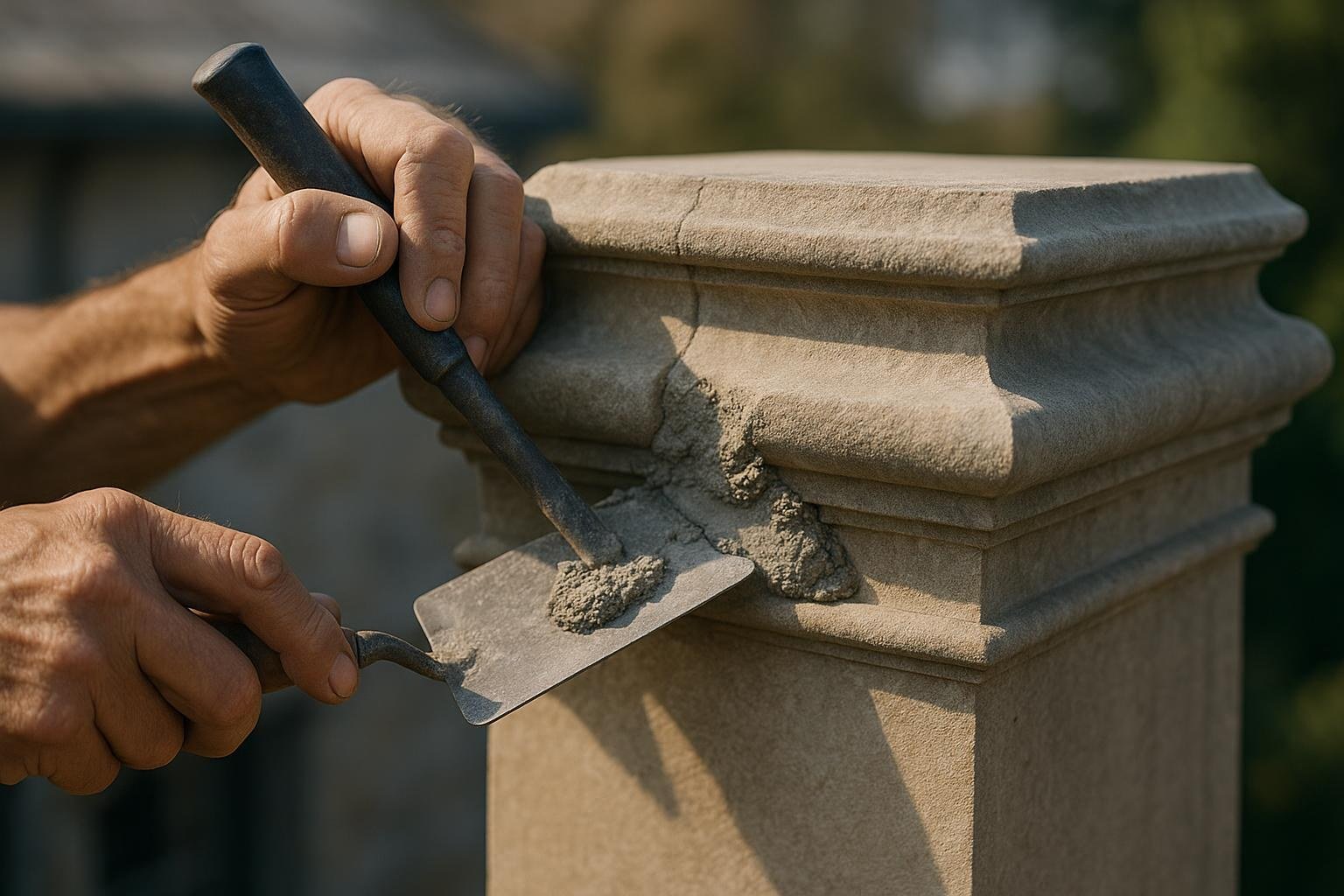
North Shore weather is hard on masonry. Salt air and freeze–thaw winters work on every joint, and a chimney that skips its annual inspection tends to announce problems only after water is already inside. An early look is always the smaller bill.
Care your chimney deserves
Estate-level attention for every home on the North Shore — honest findings, documented with photos.
Call (516) 951-0191Areas we serve
Levittown, NY · Babylon, NY · Bay Shore, NY · Islip, NY · Amityville, NY · Roslyn, NY · Roslyn, NY · Flower Hill, NY · All areas →